
Introduction
In personal injury law, not all injuries are straightforward. When a claimant has a pre-existing medical condition, the process of filing a claim can become more complex. Pre-existing conditions—such as prior back injuries, joint problems, or chronic illnesses—can influence how liability is assessed and how compensation is calculated. Understanding how these conditions affect your claim is critical for protecting your rights and ensuring fair settlement.
This comprehensive guide explores the role of pre-existing conditions in injury claims, legal strategies for handling them, and practical steps to strengthen your case.
Understanding Pre-Existing Conditions
A pre-existing condition is any injury, illness, or medical condition that existed before the accident that caused your current injury. Examples include:
Back pain from previous accidents
Arthritis or degenerative joint disease
Previous fractures or surgical procedures
Chronic illnesses affecting recovery, such as diabetes or cardiovascular disease
These conditions do not automatically disqualify you from filing a claim, but they can complicate how damages are calculated and may require additional evidence.
How Pre-Existing Conditions Affect Personal Injury Claims
Liability and Causation
Insurance companies may argue that your injury was due to a pre-existing condition rather than the accident. Establishing causation—proving that the accident worsened your condition—is essential.
Comparative or Contributory Negligence
Some insurers may claim that your pre-existing condition contributed to the accident’s impact, potentially reducing your compensation under comparative fault laws.
Damage Assessment
Pre-existing conditions can influence:
Medical expenses – additional treatment may be necessary, but insurers may discount costs
Pain and suffering – determining incremental damage caused by the accident versus the condition
Defense Strategies by Insurers
Insurers often employ tactics to minimize payouts:
Claiming injuries are unrelated to the accident
Reducing settlement offers due to pre-existing conditions
Requesting extensive medical records to find gaps or inconsistencies
Proving Your Injury Was Caused or Worsened by the Accident
Medical Documentation
Medical records are critical to establish the link between your accident and your current injuries. Include:
Emergency room and doctor’s visit notes
Diagnostic imaging (X-rays, MRIs, CT scans) showing changes or aggravation
Physical therapy records documenting progression
Specialist opinions confirming accident-related worsening
Expert Testimony
Medical experts can differentiate between pre-existing conditions and new injuries. They can provide:
Opinions on the extent of aggravation
Estimates of additional treatment required
Evidence supporting future care needs
Visual Evidence
Photographs, videos, and visual progress logs can demonstrate visible changes in injury severity over time.
Personal Records
Maintain a personal injury journal to track:
Pain levels
Daily functional limitations
Impact on work and lifestyle
Response to treatment
This can show how the accident exacerbated pre-existing conditions.
Legal Approaches to Handling Pre-Existing Conditions
The Eggshell Plaintiff Doctrine
Courts often apply the “eggshell plaintiff” principle: defendants must take the injured party as they are. If an accident aggravates a pre-existing condition, the defendant may still be fully liable for all resulting damages.
Comparative Analysis
Lawyers use medical evidence and expert testimony to separate damages caused by the accident from pre-existing conditions, establishing fair compensation.
Negotiating with Insurers
Proper documentation and legal strategy are essential to counter claims that injuries were pre-existing. A skilled attorney can ensure you receive full compensation for the accident’s impact.
Common Challenges
Disputes Over Severity
Insurers may argue that injuries are minor compared to your pre-existing condition. Accurate medical and visual documentation is critical to counter this.
Delayed Treatment
Waiting too long to seek care after an accident can weaken the claim, especially when pre-existing conditions are present. Timely medical evaluation is vital.
Incomplete Records
Lack of detailed historical medical records can make it harder to differentiate pre-existing issues from accident-related injuries.
Real-Life Scenario
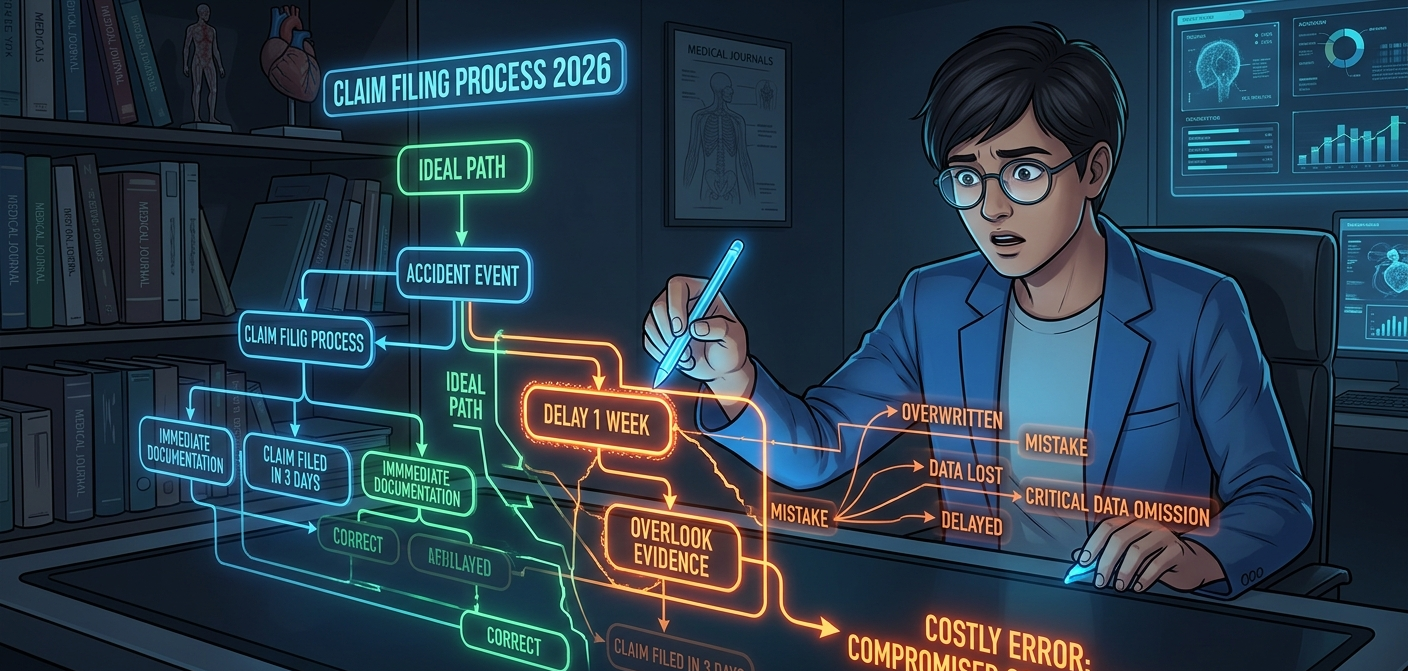
Consider two individuals with prior back problems involved in a car accident:
Claimant A: Seeks immediate medical care, documents changes in symptoms, and consults a lawyer.
Claimant B: Delays care, does not document new symptoms, and negotiates directly with the insurance company.
Outcome:
Claimant A: Receives $85,000 covering treatment, lost wages, and long-term therapy.
Claimant B: Receives $30,000 due to insufficient evidence of aggravation.
Steps to Strengthen Claims with Pre-Existing Conditions
Seek Immediate Medical Care
Prompt attention establishes a clear link between the accident and injury exacerbation.
Maintain Detailed Medical and Personal Records
Track every treatment, symptom, and limitation over time.
Collect Witness Statements
Testimony from family, coworkers, or bystanders can demonstrate changes in mobility or pain levels.
Hire an Experienced Personal Injury Attorney
Lawyers specializing in cases with pre-existing conditions can:
Organize complex medical evidence
Hire experts to assess injury aggravation
Negotiate effectively with insurers
Insurance Tips
Notify your insurer promptly, but avoid giving statements about pre-existing conditions without legal guidance. Early consultation with an attorney ensures your rights are protected.
Future Considerations
Advances in medical imaging and digital health records are making it easier to distinguish new injuries from pre-existing conditions. AI-assisted analysis may enhance evidence evaluation and strengthen claims in the coming years.
Frequently Asked Questions
Can I file a personal injury claim if I have a pre-existing condition?
Yes. The accident’s role in aggravating the condition is key.
Will my settlement be reduced because of my pre-existing condition?
Possibly, but courts recognize aggravated injuries under the eggshell plaintiff doctrine, which may preserve full compensation for accident-related harm.
How do I prove the accident worsened my pre-existing condition?
Medical documentation, expert testimony, and personal records demonstrating changes in symptoms and function are critical.
Conclusion
Pre-existing conditions do not automatically bar you from receiving compensation in a personal injury claim. However, they require careful documentation, expert analysis, and strategic legal guidance. Establishing a clear link between the accident and injury aggravation is essential for fair settlement.
Final Thoughts
If you have a pre-existing condition and are involved in an accident:
Seek immediate medical care
Document changes in symptoms and treatment thoroughly
Maintain a personal journal detailing limitations and pain
Consult a personal injury lawyer experienced in handling pre-existing conditions
With proper evidence and expert guidance, pre-existing conditions can be managed effectively in a claim, ensuring you receive compensation for all damages caused or worsened by the accident. In personal injury law, preparation and documentation are just as important as the accident itself.
LEGAL DISCLAIMER
This article is published by TechCourt for informational and educational purposes only. Nothing in this article constitutes legal advice, and no attorney-client relationship is created by reading this content. Personal injury laws vary by state and individual circumstances differ significantly. Always consult a licensed personal injury attorney in your jurisdiction before taking any legal action regarding your case.