
Introduction
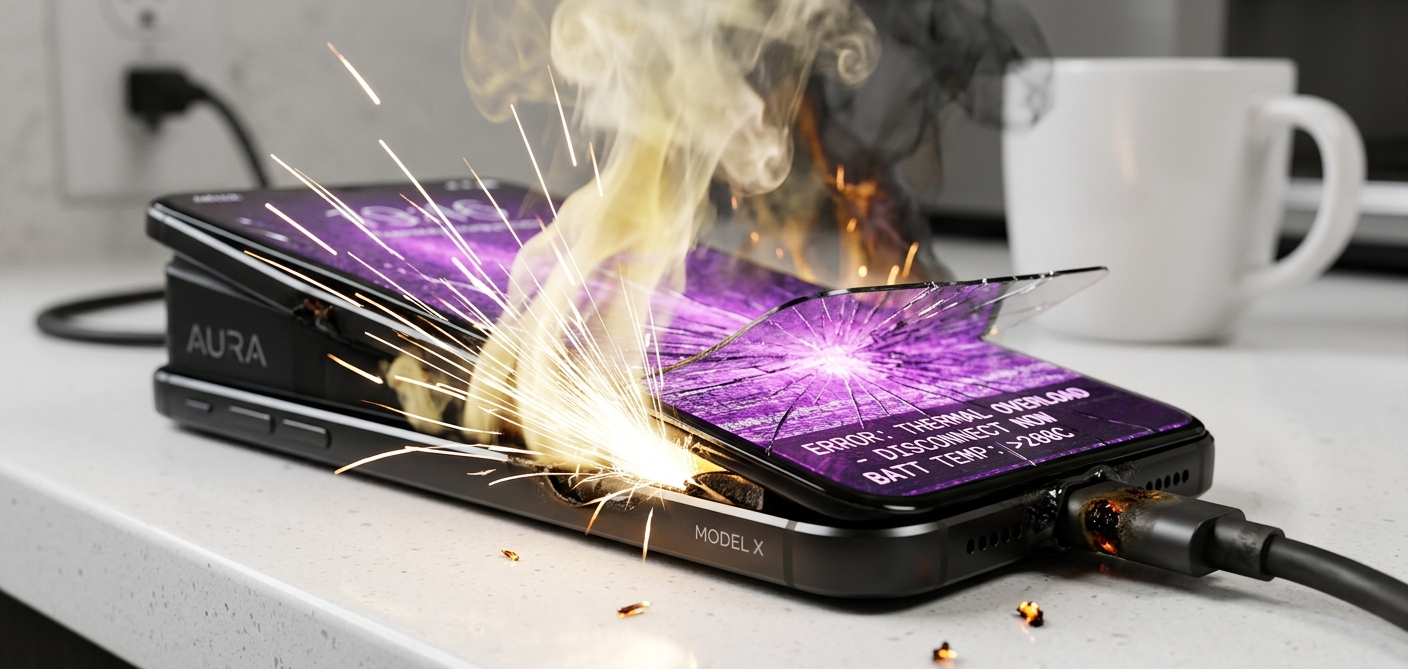
Every year, millions of people are injured by defective products, ranging from faulty household appliances to dangerous medical devices and defective vehicles. While manufacturers are legally required to ensure product safety, defects can still occur, leaving consumers vulnerable. Understanding product liability law is essential for protecting yourself and seeking compensation if you are harmed.
This comprehensive guide explores product liability lawsuits, common types of product defects, legal strategies, and practical steps to safeguard your rights. By understanding the legal landscape, you can navigate claims effectively and secure fair compensation.
Understanding Product Liability
Product liability refers to the legal responsibility manufacturers, distributors, and retailers have for injuries caused by defective products. Liability arises when a product is unreasonably dangerous due to design flaws, manufacturing defects, or inadequate warnings.
Key Legal Theories in Product Liability Cases
Design Defects
Design defects occur when a product’s design is inherently unsafe, even if manufactured correctly. Examples include vehicles prone to rollovers, machinery with unsafe mechanisms, or toys with choking hazards.
Manufacturing Defects
These defects occur during production, causing a product to deviate from its intended design. Examples include contaminated food, faulty electrical wiring, or compromised medical devices.
Failure to Warn (Marketing Defects)
Products may be legally defective if they lack adequate warnings or instructions. For instance, pharmaceuticals without side effect warnings or power tools without safety labels can create liability.
Elements of a Product Liability Claim
To succeed in a product liability claim, plaintiffs typically must prove:
The product was defective
The defect existed when it left the manufacturer’s control
The defect caused the injury
Damages resulted from the injury
Each element requires detailed evidence to establish responsibility and secure compensation.
Common Types of Product Liability Cases
Consumer Goods
Household appliances, electronics, and personal care items can pose hazards if improperly designed or manufactured.
Automobiles and Vehicles
Vehicle defects, such as malfunctioning brakes or airbags, are frequent sources of liability claims.
Medical Devices and Pharmaceuticals
Defective medical devices or improperly labeled drugs can cause severe injuries or fatalities.
Industrial Equipment and Machinery
Workplace injuries often result from unsafe machinery, defective tools, or lack of proper safety guards.
Toys and Children’s Products
Choking hazards, lead paint, or small detachable parts can lead to serious harm in children.
Steps to Protect Yourself from Defective Products
Inspect and Maintain Products
Regular maintenance and inspection reduce the likelihood of injury. Follow manufacturer instructions and guidelines for safe use.
Keep Records
Save receipts, product manuals, warranties, and packaging. Documentation is critical for establishing ownership and defect history.
Report Defects Immediately
Notify the manufacturer, retailer, or relevant regulatory agency about safety concerns. Timely reporting may prevent further injuries and strengthen your claim.
Document Injuries and Damages
Medical records, photographs, and personal journals can demonstrate the extent of harm caused by a defective product.
Preserve the Product
Keep the defective item intact, including packaging, labels, and components, to serve as evidence in your claim.
Legal Considerations in Product Liability Cases
Statute of Limitations
Product liability claims have time limits for filing lawsuits. The clock usually starts from the date of injury or discovery of the defect. Prompt action ensures your claim is not barred.
Comparative Fault
Some states reduce compensation if the injured party contributed to the accident. However, strict liability often applies in product defect cases, meaning manufacturers may be held responsible regardless of user error.
Damages in Product Liability Cases
Economic Damages
Medical expenses, rehabilitation costs, lost wages, and property damage.
Non-Economic Damages
Pain and suffering, emotional distress, and loss of enjoyment of life.
Punitive Damages
In cases of gross negligence or willful misconduct, courts may award punitive damages to punish the manufacturer and deter future wrongdoing.
Working with a Product Liability Lawyer
An experienced attorney can help:
Investigate the defect and its origin
Gather and preserve evidence
Consult expert witnesses
Negotiate with insurance companies or manufacturers
Represent you in court if necessary
Product liability cases are complex, often involving multiple parties and extensive technical evidence. Legal guidance ensures your claim is properly prepared and presented.
Evidence Needed in Product Liability Cases
Proof of Defect
Product inspections, lab testing, and expert analysis establish the defect.
Documentation of Injury
Medical records, photographs, and personal accounts demonstrate harm.
Purchase Proof
Receipts, warranty records, and registration confirm ownership.
Chain of Custody
Maintaining the product and packaging is essential to show the defect existed when sold.
Common Challenges in Product Liability Claims
Manufacturer Denial
Manufacturers may argue that the injury resulted from misuse rather than defect.
Complex Technical Evidence
Engineering and design reports are often required to establish defects, necessitating expert testimony.
Multiple Defendants
Cases may involve manufacturers, distributors, and retailers, complicating liability determination.
Recalls and Safety Notices
If a product has been recalled, insurers may argue contributory negligence if the product was not removed or repaired.
Real-Life Scenario
Imagine two consumers injured by a defective blender:
Claimant A: Preserved the blender, documented injuries, and sought immediate medical care.
Claimant B: Discarded the blender and delayed treatment.
Outcome:
Claimant A: Receives a $75,000 settlement covering medical expenses, lost wages, and pain and suffering.
Claimant B: Receives $20,000 due to incomplete evidence and diminished credibility.
Preventive Measures and Consumer Awareness
Stay Informed
Follow product recalls, safety alerts, and consumer reports.
Educate Yourself
Understand the risks associated with common products and read safety instructions carefully.
Advocate for Safety
Report defects to regulatory agencies, such as the Consumer Product Safety Commission (CPSC), to protect yourself and others.
Future Trends in Product Liability Law
Increased Use of Technology
Smart devices and IoT products create new avenues for defects, but also more evidence for claims.
Enhanced Regulatory Oversight
Stricter safety standards and recall procedures improve consumer protection.
AI-Assisted Evidence Analysis
Artificial intelligence may streamline identification of defects and causation analysis.
Frequently Asked Questions
Can I sue if I misused a product?
Strict liability often applies, but misuse may reduce compensation depending on circumstances.
How long do I have to file a product liability claim?
Statutes of limitation vary by state, typically ranging from 2 to 6 years from injury or discovery.
Do I need to keep the defective product?
Yes. Preservation of the product and its components is crucial for evidence.
Conclusion
Product liability lawsuits are essential tools for holding manufacturers accountable and protecting consumers. Understanding your rights, documenting injuries and defects, and working with a skilled attorney can ensure fair compensation and encourage safer products in the marketplace.
Final Thoughts
If you are injured by a defective product:
Seek immediate medical attention
Preserve the product and its packaging
Document injuries, medical treatments, and expenses
Notify manufacturers and regulatory agencies
Consult an experienced product liability lawyer
By taking these steps, you protect yourself from defective products, maximize compensation, and help prevent harm to others. In the complex world of product liability, preparation, documentation, and legal guidance are the keys to a successful claim.
LEGAL DISCLAIMER
This article is published by TechCourt for informational and educational purposes only. Nothing in this article constitutes legal advice, and no attorney-client relationship is created by reading this content. Personal injury laws vary by state and individual circumstances differ significantly. Always consult a licensed personal injury attorney in your jurisdiction before taking any legal action regarding your case.