
Introduction
When you seek medical care, you trust that doctors, nurses, and healthcare professionals will act in your best interest. Most of the time, they do. But when that trust is broken due to negligence, the consequences can be devastating.
Medical malpractice is one of the most complex and misunderstood areas of personal injury law. Many victims don’t even realize they have a valid claim until it’s too late. Others assume that bad outcomes automatically mean malpractice—which isn’t always true.
So how do you know if you actually have a case?
In this comprehensive guide, we’ll break down the key signs that indicate you may have a medical malpractice claim, explain how these cases work, and show you what steps to take if you suspect negligence.
What Is Medical Malpractice?
Medical malpractice occurs when a healthcare provider fails to meet the accepted standard of care, resulting in harm to a patient.
Simple Definition:
It’s not just about a mistake—it’s about negligence that causes injury.
The 4 Key Elements of a Medical Malpractice Case
To have a valid claim, you must prove four essential elements:
1. Duty of Care
The healthcare provider had a legal obligation to treat you.
Example:
A doctor-patient relationship establishes this duty.
2. Breach of Duty
The provider failed to meet the standard of care.
Example:
Misdiagnosing a condition that a competent doctor would have identified.
3. Causation
The breach directly caused your injury.
4. Damages
You suffered harm, such as physical injury, emotional distress, or financial loss.
Signs You May Have a Medical Malpractice Claim
Not every negative medical outcome is malpractice. However, certain warning signs strongly indicate that negligence may have occurred.
1. Misdiagnosis or Delayed Diagnosis
This is one of the most common forms of malpractice.
Warning Signs:
Your condition worsened due to delayed treatment
Another doctor later identifies the correct diagnosis
You received treatment for the wrong condition
Why It Matters:
A delayed or incorrect diagnosis can lead to serious complications—or even death.
2. Surgical Errors
Mistakes during surgery can have life-altering consequences.
Examples:
Operating on the wrong body part
Leaving surgical instruments inside the body
Causing unnecessary damage
Red Flags:
Unexpected complications after surgery
Severe pain beyond normal recovery
Need for additional corrective procedures
3. Medication Errors
Incorrect prescriptions or dosages can be dangerous.
Signs Include:
Receiving the wrong medication
Experiencing severe side effects
Being given incorrect dosage instructions
4. Lack of Informed Consent
Doctors must inform patients about risks before treatment.
You May Have a Claim If:
You were not told about significant risks
You would have refused treatment if fully informed
5. Birth Injuries
Negligence during pregnancy or delivery can harm both mother and child.
Examples:
Failure to monitor fetal distress
Improper use of delivery tools
Delayed C-section
6. Anesthesia Errors
Mistakes involving anesthesia can be fatal.
Warning Signs:
Waking up during surgery
Brain damage due to oxygen deprivation
Incorrect dosage
7. Hospital Negligence
Hospitals can also be liable for malpractice.
Examples:
Poor hygiene leading to infections
Understaffing
Failure to monitor patients
8. Worsening Condition Without Explanation
If your condition deteriorates unexpectedly, it may indicate negligence.
9. Conflicting Medical Opinions
If another doctor disagrees with your treatment or diagnosis, it could signal malpractice.
10. Unusual or Unexpected Complications
While complications can occur naturally, some may result from negligence.
Common Types of Medical Malpractice Cases
1. Diagnostic Errors
2. Surgical Mistakes
3. Medication Errors
4. Birth Injuries
5. Failure to Treat
How to Prove Medical Malpractice
These cases require strong evidence.
Key Evidence Includes:
Medical records
Expert testimony
Test results
Treatment history
Why Expert Witnesses Matter:
Medical experts help establish whether the standard of care was breached.
The Role of Medical Records
Your medical records are the foundation of your case.
They Show:
Diagnosis
Treatment decisions
Timeline of care
Always request copies of your records.
What Compensation Can You Receive?
If your claim is successful, you may recover:
Economic Damages:
Medical expenses
Lost income
Non-Economic Damages:
Pain and suffering
Emotional distress
In Some Cases:
Punitive damages
Challenges in Medical Malpractice Cases
1. Complex Medical Evidence
2. Strong Defense from Hospitals
3. High Legal Costs
4. Strict Filing Deadlines
These cases are more difficult than typical personal injury claims.
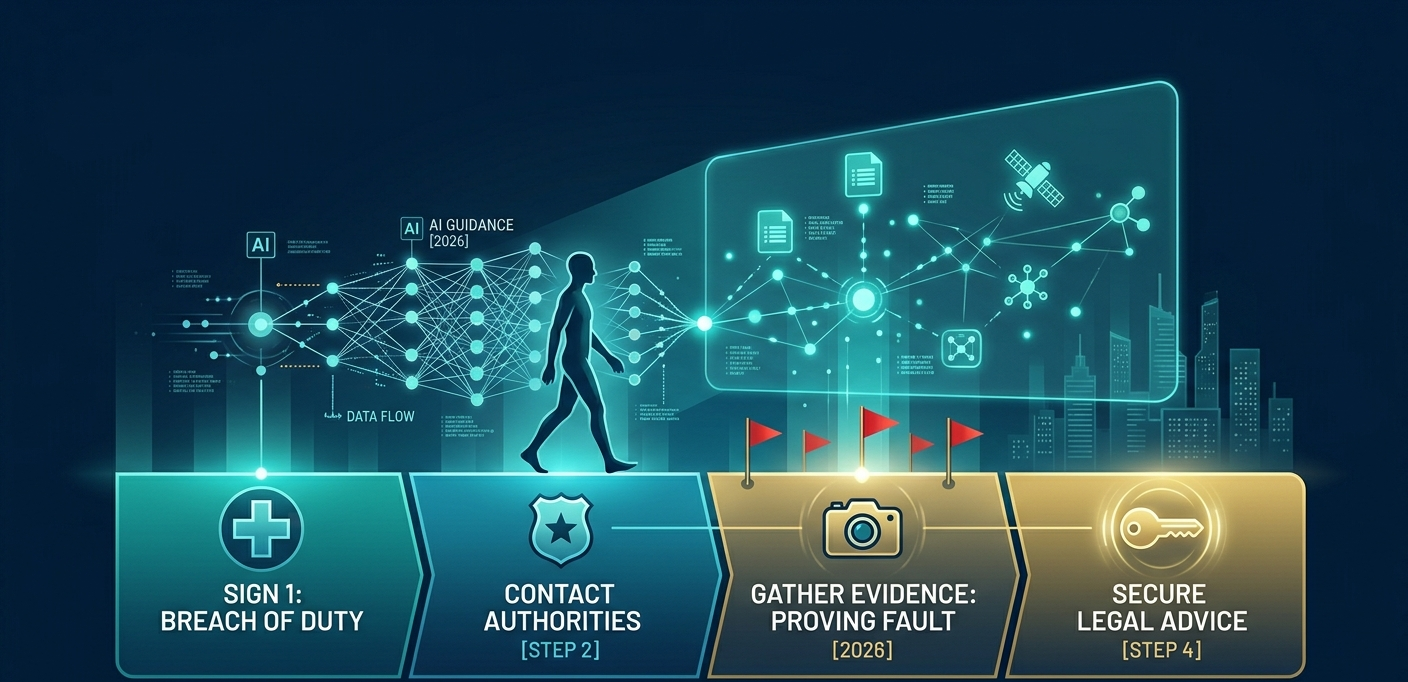
What to Do If You Suspect Medical Malpractice
Step 1: Seek a Second Opinion
Another doctor can confirm whether negligence occurred.
Step 2: Gather Medical Records
Request all documentation related to your treatment.
Step 3: Document Your Experience
Write down:
Symptoms
Treatments
Conversations with doctors
Step 4: Consult a Medical Malpractice Lawyer
An experienced lawyer can evaluate your case and guide you through the process.
Common Mistakes to Avoid
1. Ignoring Warning Signs
2. Waiting Too Long to Act
3. Failing to Collect Evidence
4. Not Seeking Legal Advice
How Long Do You Have to File a Claim?
Medical malpractice cases are subject to strict statutes of limitations.
Tip:
Act quickly to protect your rights.
The Role of Insurance Companies
Healthcare providers are typically backed by malpractice insurance.
Their Goal:
Minimize payouts
Defend claims aggressively
Modern Trends in Medical Malpractice
Technology is changing the landscape.
Innovations Include:
AI-assisted diagnosis
Electronic health records
Telemedicine
While these tools improve care, they also introduce new risks.
Frequently Asked Questions
Is every medical mistake malpractice?
No. Only negligence that causes harm qualifies.
Do I need expert testimony?
Yes, in most cases.
Can I sue a hospital?
Yes, if the hospital is responsible for negligence.
Conclusion
Medical malpractice can have life-changing consequences, but recognizing the signs early can help you take action.
If you suspect negligence, don’t ignore it. Understanding your rights and seeking professional guidance can make all the difference.
Final Thoughts
Healthcare is built on trust—but when that trust is broken, the law provides a path to justice.
By learning the warning signs of medical malpractice and taking the right steps, you can protect your health, your rights, and your future.
LEGAL DISCLAIMER
This article is published by TechCourt for informational and educational purposes only. Nothing in this article constitutes legal advice, and no attorney-client relationship is created by reading this content. Personal injury laws vary by state and individual circumstances differ significantly. Always consult a licensed personal injury attorney in your jurisdiction before taking any legal action regarding your case.